
No. 854
Crime, Eccentricity, and the Sporting Life in 19th Century America.
March 03, 2026
Principles of Finance.
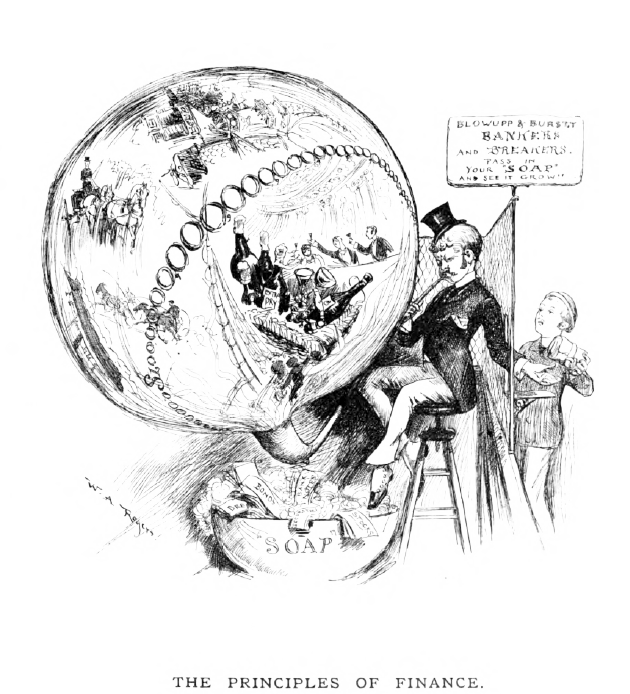
Blowupp & Burst Bankers and Breakers. Pass In Your "Soap" and See it Grow.
March 3, 2026




alias: BILLY THE kID, etc, MURPHY, PETRIE
BANK SNEAK
"Kitsap Sun," February 18, 1997, via Newspapers.comEvery suicide is a tragedy, of course. However, among the most poignant ones are where the person remains unidentified. Did they leave behind loved ones who suffered the agony of never knowing what happened to them? Or--possibly even sadder--did this person have no one in the world who cared if they lived or died? The
More...
Strange Company - 8/17/2026
[Editor’s note: Guest writer, Peter Dickson, lives in West Sussex, England and has been working with microfilm copies of The Duncan Campbell Papers from the State Library of NSW, Sydney, Australia. The following are some of his analyses of what he has discovered from reading these papers. Dickson has contributed many transcriptions to the Jamaica […]
More...
Early American Crime - 2/7/2019


"As his son I am proud of hisefforts to succeed in life"Jefferson Randolph Smith IIIArtifact #93-2Jeff Smith collection(Click image to enlarge)
oapy's son hires a legal firm to stop the defamation of his father's name.
At age 30, Jefferson Randolph Smith III, Soapy and Mary's oldest son, was protecting his father's legacy and his mother's reputation from "libel" and scandal. He was also
More...
Soapy Smith's Soap Box - 10/13/2025

Ida Quinlan and Sophia Grant.Mrs. Ida Quinlan went out to buy a pair of stockings at
around 9:00 on the night of February 1, 1896, leaving her baby in the care of
her sister, Mrs. Sophia Grant. She took a streetcar to the store several miles
away and returned to the house at around 11:00. Entering the sitting room, she
was surprised to find the drawers of the chiffoniers pulled out and
More...
Murder By Gaslight - 8/15/2026
Youth With Executioner by Nuremberg native Albrecht Dürer … although it’s dated to 1493, which was during a period of several years when Dürer worked abroad. November 13 [1617]. Burnt alive here a miller of Manberna, who however was lately … Continue reading
More...
Executed Today - 11/13/2020

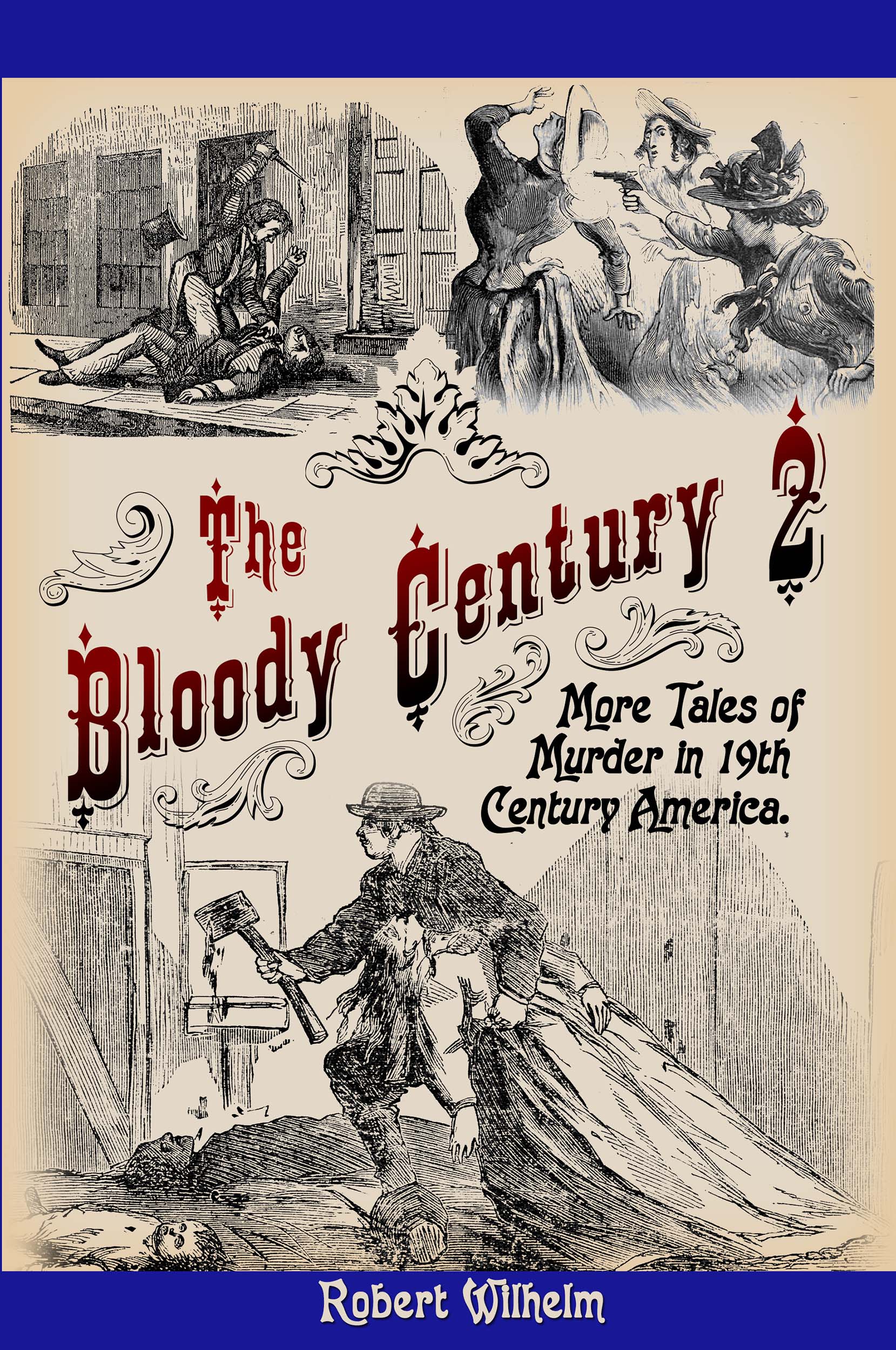
The Bloody Century 2
Takes the reader back to 19th-century America in all its gory glory.