


Tag: Police Gazette
Garrotting.
To Choke.

Circumstances Alter Cases.
The Gallant 'Cop' on the Crossing - Old and Ugly vs. Young and Pretty.
A Sleep-Walker’s Act.
Miss Belle Collis, of Newark, N. J., surprises the neighbors by her want of thought.
“For Members Only.”
Murderous Assault by a Wife on Her Husband.
Set Fire to the Bed.
A Minister’s Scrape.
Thimble Rig A La Mode.
Unmindful of their Attire.
A Fire in the Chicago Opera House creates a stampede among pretty actresses who rush to the street dishabille.
A New Shoplifting Dodge.
A female thief who carries a baby in her arms and made its flowing skirts a cover for stolen goods
Hallow Eve Sports.
The cool reception that some frolicsome young Doylestown girls gave to a verdant beau who was not posted as to the manners and customs of the Pennsylvania Dutch
She Had a High Old Time.
Shooting at the Elevated.
After-dinner pistol practice at the trains that rush by windows
Blood on the Moon.
George Dixon’s Victory over Australian Billy.
Vive Le Sport!
John L. Sullivan Saved by a Neck.
A Fiendish Husband’s Desperate Deed.
Serpent and Dove.
A One Legged Baseball Club.
Beauty as a Shield.
Beauty Conquers avarice and outlawry "We won't rob this house to-night."
Female Tobacco Chewers.
What a Correspondent Asserts Regarding a Boston Girl.
Torturing a Lover.
Hospital Horrors.
Being Initiated.
It Was Another Kind of Cat.
A New Gag.
Her health drunk by a young lawyer in slipper-full of champagne.
A Plucky Elberon, N. J., Girl
Whipped By Women
Rum on Tap.
Kyana, Indiana, 1890 - The women of Kyana, Ind., go to the railroad depot and demolish a cargo of liquor.
Hid the Girls' Skirts
Shot Down in His Office
Ruined and Despondent Ronald Kennedy, a Philadelphia speculator, kills broker Charles H. Page, and then commits suicide.
“I’ve Taken Poison, Maudie!”
Recruiting For Sin's Army
Sparking in Tompkins Square
Cupid in Tompkins Square
Terrible Struggle with Flame and Flood
The burning of the steamer John H. Hanna near Plaquemine, Louisiana, by which thirty lives were lost
Belles of the Bowling Alley.
The athletic diversions of an association of dashing damsels in their club rooms in Chicago.
A Newspaper Man’s Plight
Denver Col., October 1892 – Correspondent Jake Hirsh cowhided by indignant Lizzie Gonzales, an actress, in Denver.
Hazing at the Stock Board
How the battering-ram process is applied by the bulls and bears to while away the idle hours of the dull season.
The Girls Biffed Each Other
Did the Naughty Midway Dance
Pretty Ida Lawrence gets arrested while entertaining some hackmen in Cincinnati, O.
Chorus Girls in a Panic.
An unruly horse causes great excitement in the Metropolitan Opera House, this city.
Strange Company - 10/21/2026
Early American Crime - 2/7/2019

Soapy Smith's Soap Box - 10/13/2025
Murder By Gaslight - 10/17/2026
Executed Today - 11/13/2020
A Terrible Scare. | Photographed as he Died.
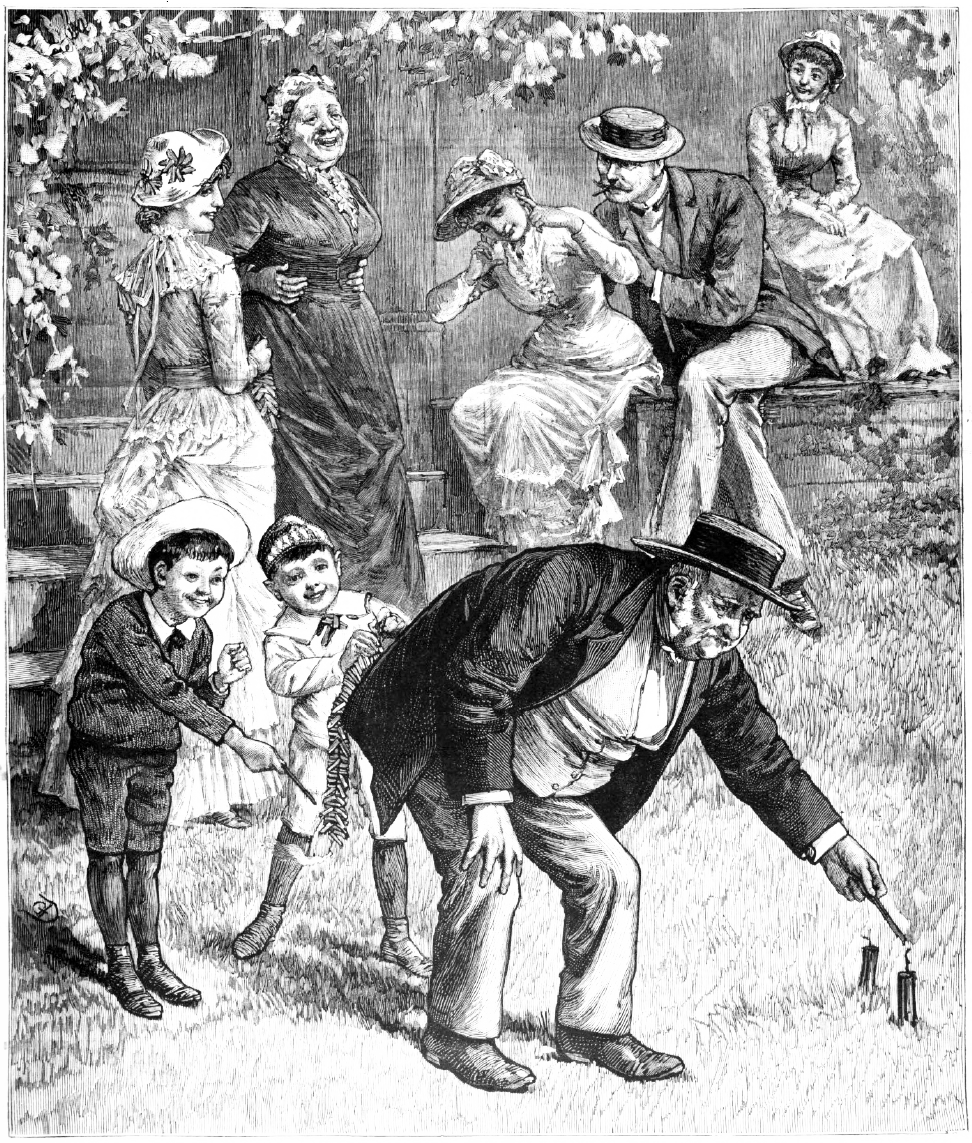
Independence Day in the Country.
Independence Day in the Country - Fireworks on the Lawn.
"Independence Day in the Country." Frank Leslie's Illustrated Newspaper 7 Jul 1883: 1.
Welcome to the National Night Stick
"We follow vice and folly where a police officer dare not show his head, as the small, but intrepid weasel pursues vermin in paths which the licensed cat or dog cannot enter."The Sunday Flash 1841

- 1810s
- 1820s
- 1830s
- 1840s
- 1850s
- 1860s
- 1870s
- 1880
- 1880s
- 1890
- 1890s
- Abduction
- Abortion
- Accident
- Actors
- Adultery
- Advertisement
- African Americans
- Alabama
- Alcohol
- Allan Pinkerton
- America
- Animal
- Assault
- Axe Murder
- Bank Robbery
- Barnum
- Baseball
- Beer
- Bet
- Bicycle
- Billiards
- Bio
- Boston
- Boxing
- Boys
- Broadway
- Brooklyn
- Brothel
- Buffalo
- Burglar
- Burglary
- Burlesque
- California
- Canada
- Cartoon
- Censorship
- Chicago
- children
- Chorus Girls
- Christmas
- Cincinnati
- Civil War
- Clergy
- Clubbing
- College
- Colorado
- Comstock
- Con Game
- Connecticut
- Counterfeit
- Court
- Cowboy
- Crime
- cross-dressing
- Crossdressing
- Cursing
- Dancing
- Deception
- Delinquents
- Denver
- Detectives
- Detroit
- Dime Novels
- Disaster
- Disguise
- Disorderly conduct
- Divorce
- Domestic Violence
- Drowning
- Duel
- Editorial
- Election
- Entertainment
- Event
- Fad
- Family
- Fashion
- Fight
- Fire
- Florida
- Food
- Football
- Forger
- Fraud
- Gambling
- Gangs
- Georgia
- Great Detectives
- Gunshot
- Hoax
- Holiday
- Horses
- Hotel
- Illinois
- Indiana
- Insanity
- Jail Break
- Jealousy
- Justice
- Kansas
- Kentucky
- Little Murders
- Louisiana
- Lynching
- Maine
- Marriage
- Maryland
- Massachusetts
- Medicine
- Michigan
- Minnesota
- Missouri
- Montana
- Murder
- Music
- Nevada
- New Hampshire
- New Jersey
- New Orleans
- New Year
- New York
- New York City
- Newsboys
- Newspaper
- Nudity
- Obscenity
- Ohio
- Opium
- Pennsylvania
- Performer
- Petrified man
- Photography
- Pickpocket
- Poisoning
- Police
- Police Gazette
- Politics
- Prank
- Prison
- Prostitution
- Railroad
- Rape
- Rats
- Reform
- Religion
- Reporters
- Revenge
- Rhode Island
- Robbery
- Romance
- Saloon
- San Francisco
- Scandal
- Science
- Seasonal
- Sex
- Slashing
- Society
- Spiritualism
- Sport
- Sports
- Spousal Abuse
- St. Louis
- Stabbing
- Steamboat
- Steamship
- Stock Broker
- Suicide
- Summer
- Tammany Hall
- Temperance
- Tennessee
- Texas
- Theatre
- Theft
- Thomas Byrnes
- Valentine
- Vigilantes
- Voyeur
- War
- Washington D.C.
- Wife beaters
- Winter
- Women