
No. 251
Crime, Eccentricity, and the Sporting Life in 19th Century America.
April 21, 2015
Surf Swimming at Hawaii, Sandwich Islands.
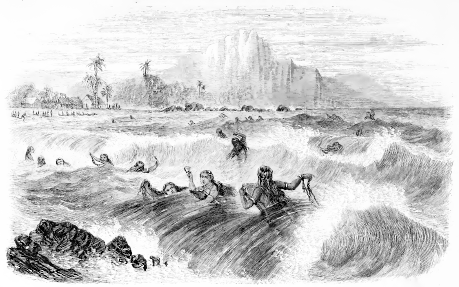
Faahee, or surf-swimming, is a favorite pastime with the natives of the Sandwich Islands.
April 21, 2015



alias: GEO HAVILL, HARRY THORN
SNEAK, FORGER
Via Newspapers.comThis account of your basic friendly neighborhood monster appeared in the “Mexico Weekly Ledger,” December 13, 1883:MEXICO, Mo., December 8.--The neighborhood of Hopewell Church, near this city, is much excited over the appearance in the locality of a strange creature, which is thought by the credulous to be a ghost, and which is a puzzle at least to the most skeptical. The
More...
Strange Company - 9/23/2026
[Editor’s note: Guest writer, Peter Dickson, lives in West Sussex, England and has been working with microfilm copies of The Duncan Campbell Papers from the State Library of NSW, Sydney, Australia. The following are some of his analyses of what he has discovered from reading these papers. Dickson has contributed many transcriptions to the Jamaica […]
More...
Early American Crime - 2/7/2019

"As his son I am proud of hisefforts to succeed in life"Jefferson Randolph Smith IIIArtifact #93-2Jeff Smith collection(Click image to enlarge)
oapy's son hires a legal firm to stop the defamation of his father's name.
At age 30, Jefferson Randolph Smith III, Soapy and Mary's oldest son, was protecting his father's legacy and his mother's reputation from "libel" and scandal. He was also
More...
Soapy Smith's Soap Box - 10/13/2025

A Song Written in Memory ofThe St. George Murder.(excerpt)
In St. George, Me., as you shall hear,It proves to be the fatal year -That Mrs. Meservey, in the prime of life.By a murderer's hand has lost her life....Nathan Hart is the murderer's name,Father and husband think of the shame,Did he forget all woman kind,Seek like a beast some prey to find?...God in His written book doth say,
More...
Murder By Gaslight - 9/19/2026
Youth With Executioner by Nuremberg native Albrecht Dürer … although it’s dated to 1493, which was during a period of several years when Dürer worked abroad. November 13 [1617]. Burnt alive here a miller of Manberna, who however was lately … Continue reading
More...
Executed Today - 11/13/2020

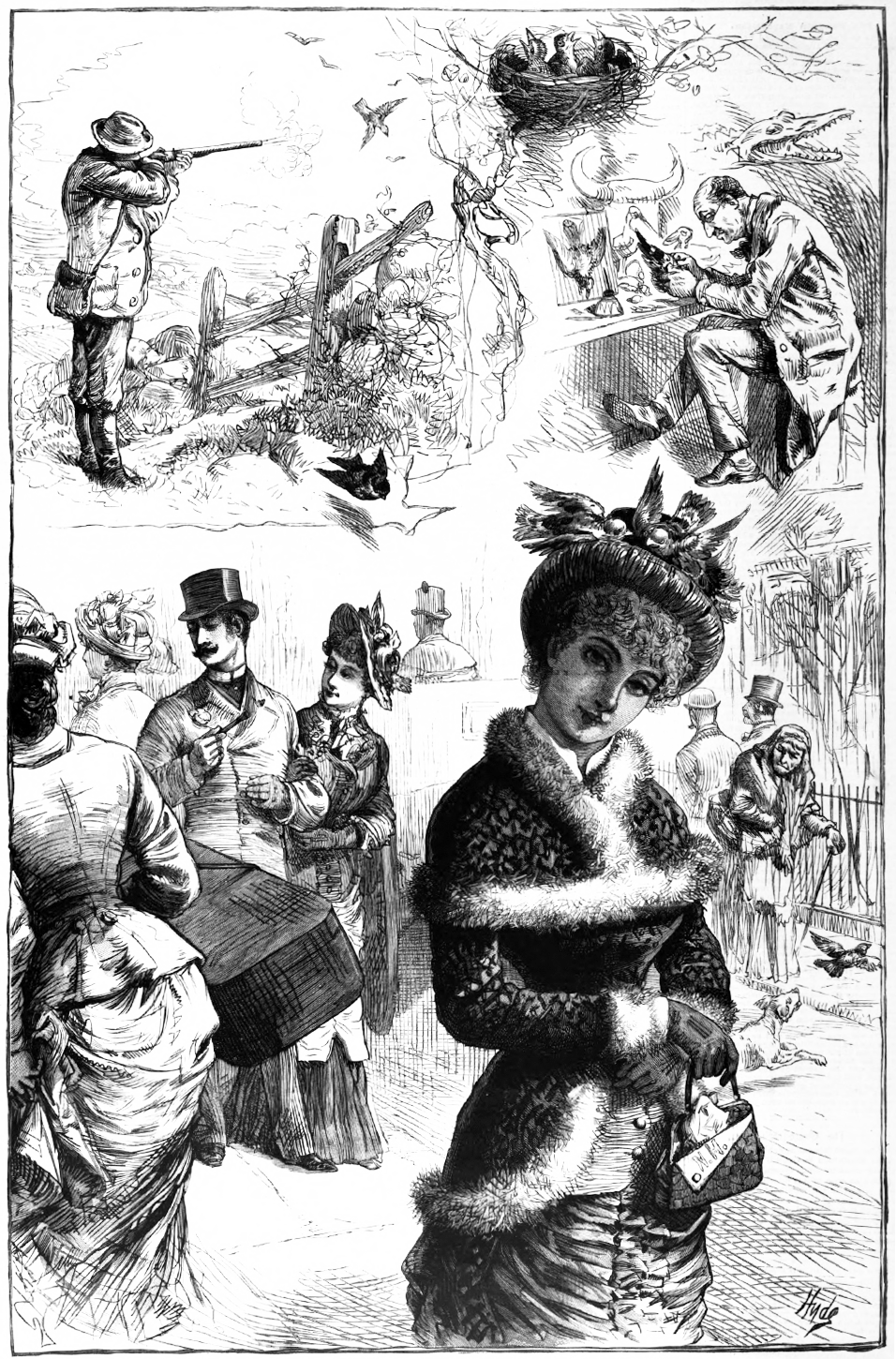

The Bloody Century 2
Takes the reader back to 19th-century America in all its gory glory.