No. 754
Crime, Eccentricity, and the Sporting Life in 19th Century America.
November 23, 2026




alias: COMBO, HAMILTON
NightStick.Models.CriminalSpecialty
Strange Company
11/23/2026
The following story can be classified as a “time-slip” adventure, but it has a particularly hallucinatory quality that makes it unusually intriguing. The account comes to us from a “designer and actor” named Robert Cory, who was interviewed in June 1967 by the well-known parapsychology researcher Hans Holzer.In 1964, Cory went on a road trip to visit his fiancee’s family in Kenwick,
More...
The following story can be classified as a “time-slip” adventure, but it has a particularly hallucinatory quality that makes it unusually intriguing. The account comes to us from a “designer and actor” named Robert Cory, who was interviewed in June 1967 by the well-known parapsychology researcher Hans Holzer.In 1964, Cory went on a road trip to visit his fiancee’s family in Kenwick,

Soapy Smith's Soap Box
10/13/2025
"As his son I am proud of hisefforts to succeed in life"Jefferson Randolph Smith IIIArtifact #93-2Jeff Smith collection(Click image to enlarge) oapy's son hires a legal firm to stop the defamation of his father's name. At age 30, Jefferson Randolph Smith III, Soapy and Mary's oldest son, was protecting his father's legacy and his mother's reputation from "libel" and scandal. He was also
More...
"As his son I am proud of hisefforts to succeed in life"Jefferson Randolph Smith IIIArtifact #93-2Jeff Smith collection(Click image to enlarge) oapy's son hires a legal firm to stop the defamation of his father's name. At age 30, Jefferson Randolph Smith III, Soapy and Mary's oldest son, was protecting his father's legacy and his mother's reputation from "libel" and scandal. He was also
Ephemeral New York
11/23/2026
In years past, when the MTA needed to create street-level substations and other infrastructure to improve subway service, they ensured that whatever they were building would fit in aesthetically with the neighborhood. Case in point is 58 Joraleman Street in Brooklyn Heights—an empty shell of a circa-1847 Greek Revival row house that hides a ventilation […]
More...
In years past, when the MTA needed to create street-level substations and other infrastructure to improve subway service, they ensured that whatever they were building would fit in aesthetically with the neighborhood. Case in point is 58 Joraleman Street in Brooklyn Heights—an empty shell of a circa-1847 Greek Revival row house that hides a ventilation […]
Executed Today
11/13/2020
Youth With Executioner by Nuremberg native Albrecht Dürer … although it’s dated to 1493, which was during a period of several years when Dürer worked abroad. November 13 [1617]. Burnt alive here a miller of Manberna, who however was lately … Continue reading
More...
Youth With Executioner by Nuremberg native Albrecht Dürer … although it’s dated to 1493, which was during a period of several years when Dürer worked abroad. November 13 [1617]. Burnt alive here a miller of Manberna, who however was lately … Continue reading

Murder By Gaslight
11/21/2026
(Philadelphia Inquirer, August 25, 1897.) On August 23, 1897, William Rooney, a 25-year-old bicycle store manager, sent a message to his 19-year-old paramour, Verona Sellhelm: Philadelphia, Aug. 23, 1897 Dear Verona: Please let me know if I can see you this evening; if so, where. Yours truly, W.R. The response he received was: Will see you tonight at 8
More...
(Philadelphia Inquirer, August 25, 1897.) On August 23, 1897, William Rooney, a 25-year-old bicycle store manager, sent a message to his 19-year-old paramour, Verona Sellhelm: Philadelphia, Aug. 23, 1897 Dear Verona: Please let me know if I can see you this evening; if so, where. Yours truly, W.R. The response he received was: Will see you tonight at 8

Lizzie Borden: Warps and Wefts
8/29/2026
Be sure to stop by our facebook page for daily coverage of the preliminary hearing featuring testimony, cartoons and vintage newspaper clippings. https://www.facebook.com/lizziebordenwarpsandwefts/
More...
Be sure to stop by our facebook page for daily coverage of the preliminary hearing featuring testimony, cartoons and vintage newspaper clippings. https://www.facebook.com/lizziebordenwarpsandwefts/
Early American Crime
2/7/2019
[Editor’s note: Guest writer, Peter Dickson, lives in West Sussex, England and has been working with microfilm copies of The Duncan Campbell Papers from the State Library of NSW, Sydney, Australia. The following are some of his analyses of what he has discovered from reading these papers. Dickson has contributed many transcriptions to the Jamaica […]
More...
[Editor’s note: Guest writer, Peter Dickson, lives in West Sussex, England and has been working with microfilm copies of The Duncan Campbell Papers from the State Library of NSW, Sydney, Australia. The following are some of his analyses of what he has discovered from reading these papers. Dickson has contributed many transcriptions to the Jamaica […]
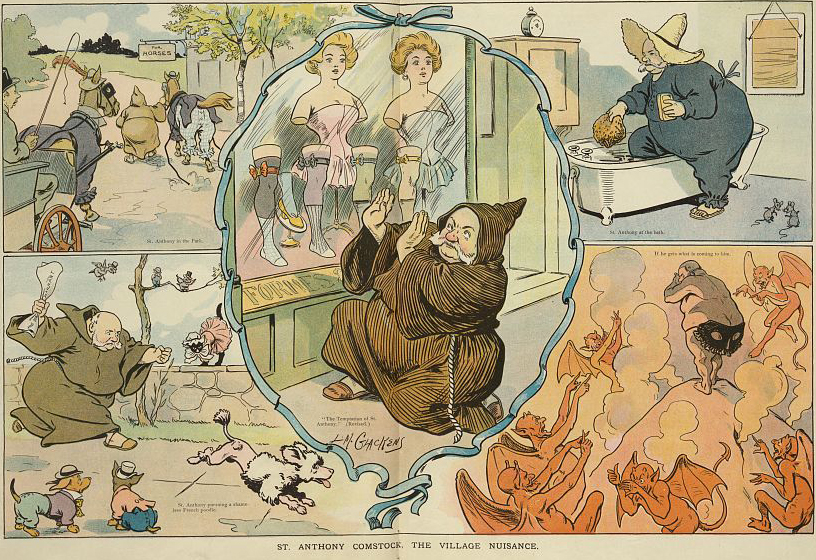
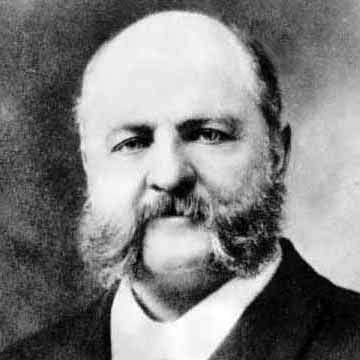 Anthony Comstock
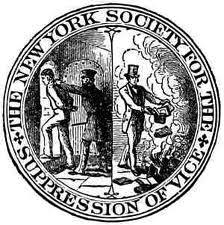 NYSSV
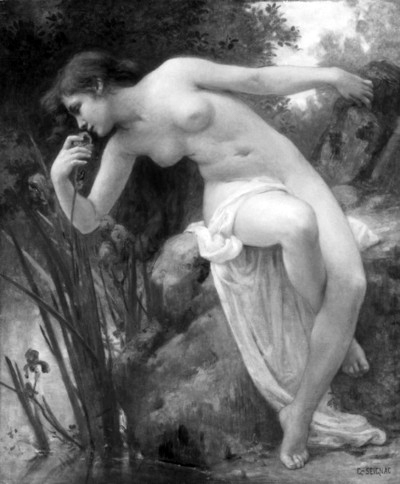
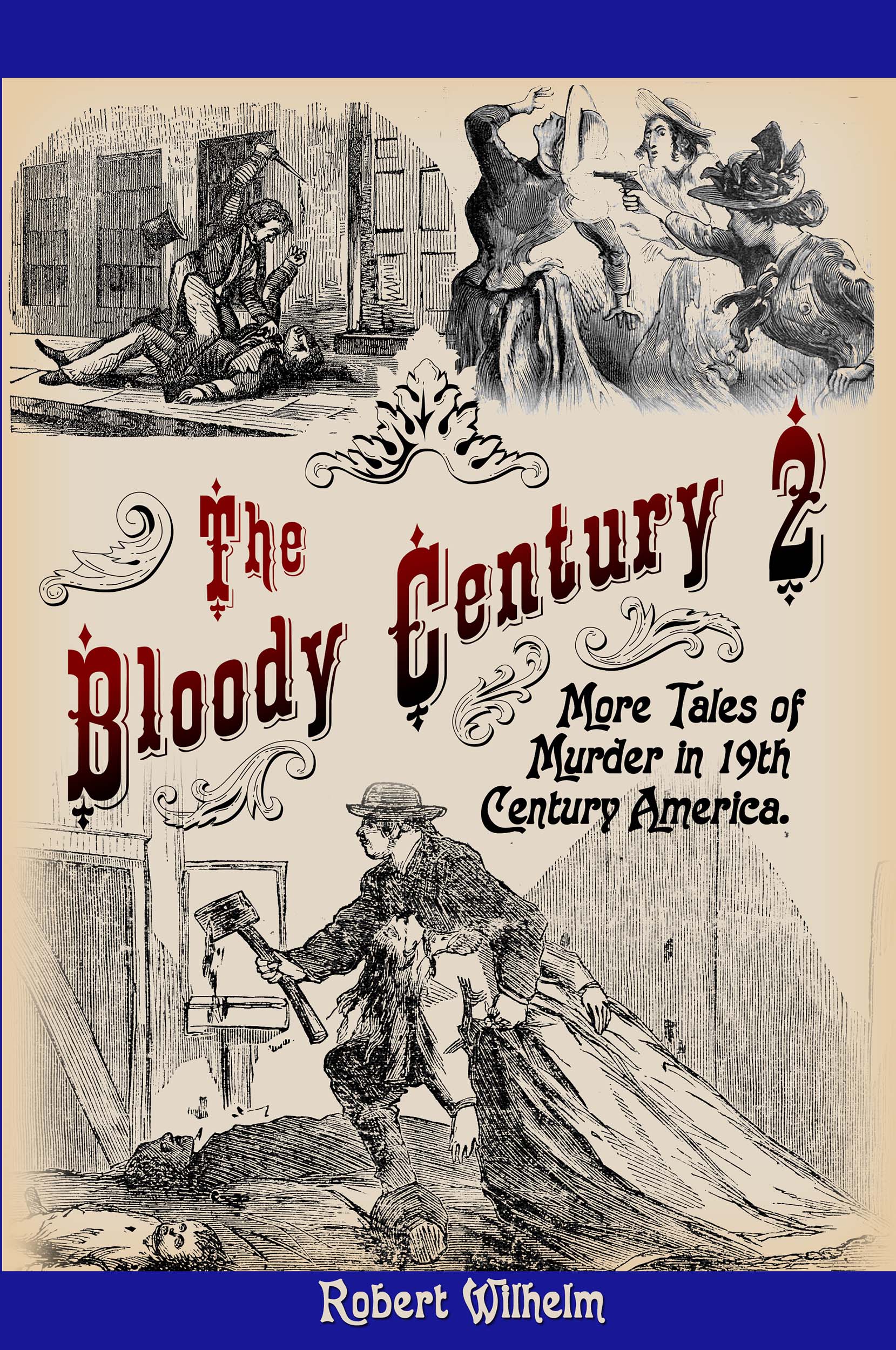
The Bloody Century 2
Takes the reader back to 19th-century America in all its gory glory.